Key takeaways
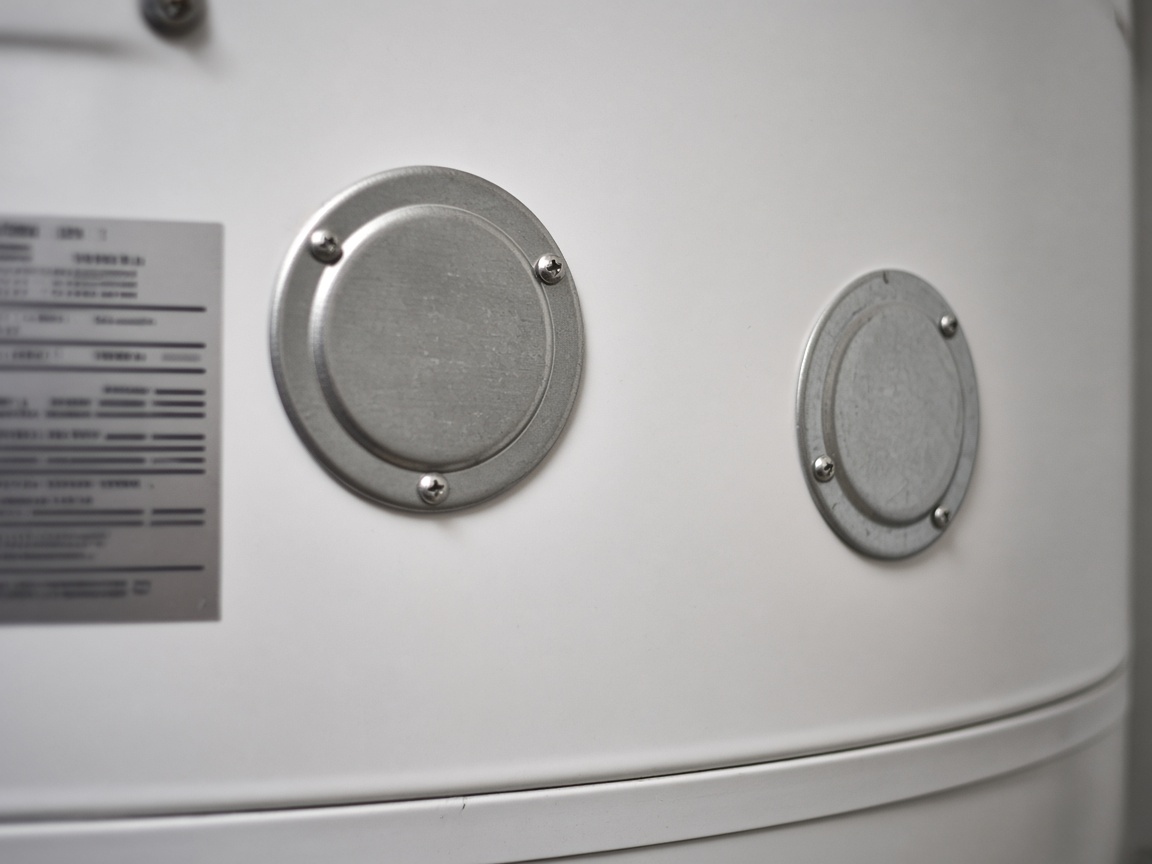
- Two access panels and a breaker mean electric. A flue and a gas line mean gas.
- A tripped breaker that will not stay on is a stop sign, not a reset contest.
- Gas smell means leave. Do not hunt for the pilot in a closed closet.
- We quote after we know the fuel, because the parts are not interchangeable.
Look at the top of the tank
An electric storage heater has no flue. You will see two pipes, maybe a relief line, and a metal panel or two on the side. The breaker is a double pole in the panel, often labeled water heater.
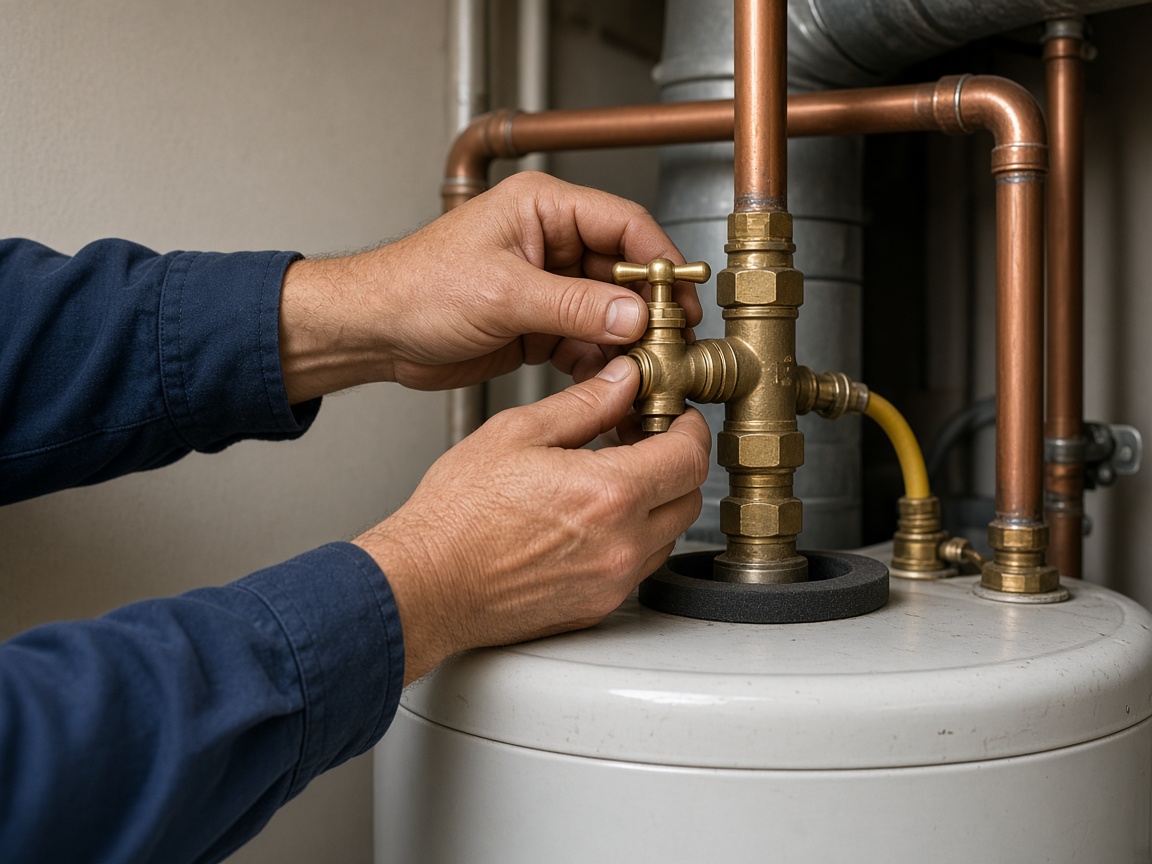
A gas heater has a vent pipe leaving the top and a gas line with a shutoff at the side. The control is a dial near the bottom, not a panel of wires.
If you are not sure, say so when you call. A photo of the top of the tank is enough. The no hot water visit changes with that one fact.
Fuel decides the failure
| Electric | Gas | |
|---|---|---|
| Common no-heat cause | Element or thermostat | Control, thermocouple, or a vent problem |
| First safe check | One look at the breaker | Look for a gas smell before you do anything else |
| What not to do | Reset a breaker that trips again | Relight a pilot in a closet that smells of gas |
| Leak path | Same steel shell as gas | Same steel shell as electric |
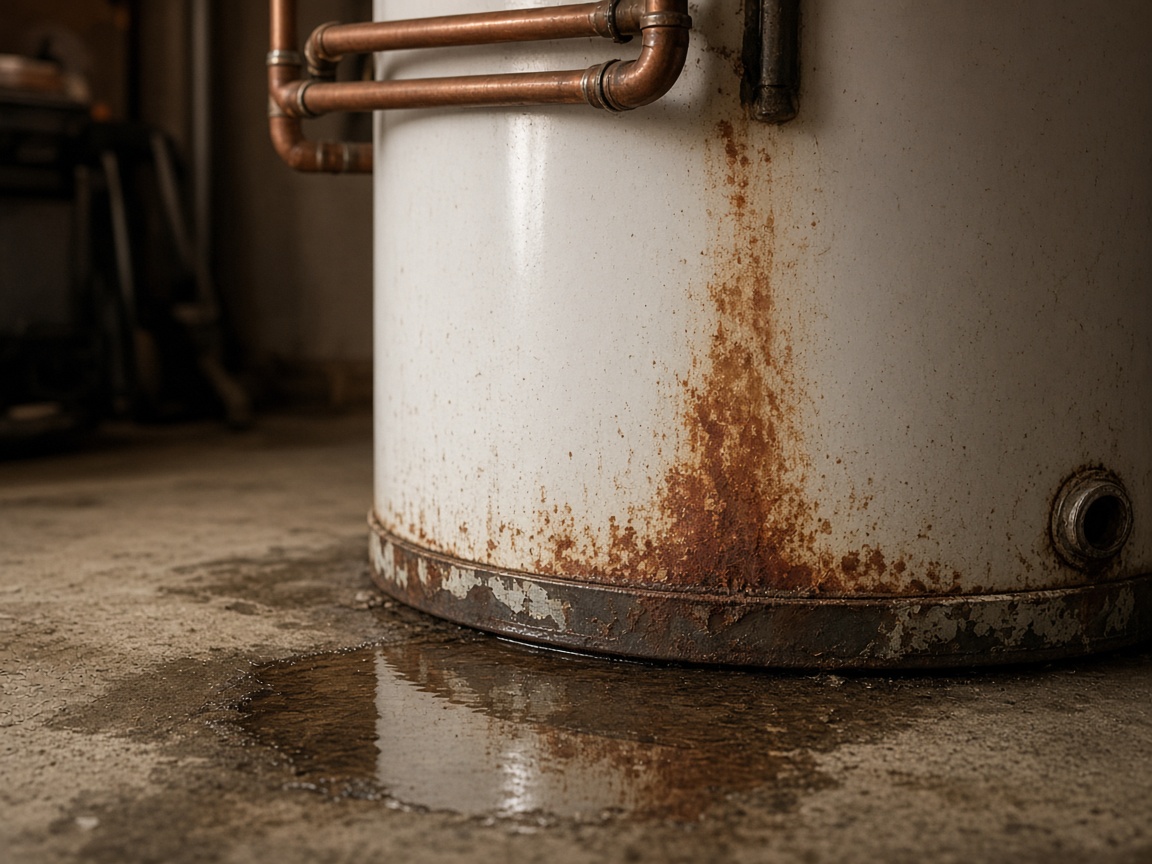
The shell fails the same way on both. Fuel only changes the heat source. A rust hole is still a replacement.
Power cuts and pilot questions
After a storm, an electric heater stays cold until power is back and the tank recovers. Ready.gov power-outage guidance is simple: treat a dark house as a utility problem first. Do not open panels by flashlight while standing on a wet slab.
A gas heater can still heat during an electric outage only if it does not depend on an electric vent fan or control. Many newer controls do. If you are unsure, leave it off until someone looks.
Houses in West Vero Corridor lose power in the same storms as the island. The heater type, not the neighborhood, decides whether hot water returns with the lights.
What the closet is telling you before we open a panel
Stand at the doorway and look, without touching wires. Electric heaters often have a flexible conduit into the top or side. Gas heaters have a rigid vent and a yellow or black gas line. If you see both a flue and conduit, say so. Some power-vent gas heaters need electricity for the fan. They are gas heaters that go cold in an outage.
Find the data plate if it is still readable. You do not need the model memorized. A photo is enough. The plate tells us gallons, wattage or gas input, and the year code the manufacturer used. We still judge the steel with our eyes. The plate just stops a wrong-sized replacement.
A breaker that is warm, buzzing, or smells sharp is not a reset. Leave it off and tell us. That smell is the panel, and the panel is outside the heater job until it is safe. We will not ask you to pull the deadfront.
On a gas heater, a yellow lazy flame or soot on the draft hood is a vent problem, not a shower problem. Leave it shut down. Soot in a closet is the reason the NFPA notes on home fire safety belong in this guide. We look at the vent path before we relight anything.
Write down whether every hot faucet is cold or only one bath is cold. One cold shower with hot water at the kitchen is a cartridge or a mixing valve, and we will say that before anyone drains the tank. Whole-house cold, with good pressure, is the heater.
Switching fuel is a different project
Moving from electric to gas, or the other way, means a vent, a gas line, or a new circuit. That is not a same-day swap of the tank in the closet. We say so before you pick a model.
A like-for-like replacement stays on the fuel you already have. A tankless change is its own visit, with its own vent and gas or electric load.
People ask us to convert because a neighbor did. The neighbor may have had a gas meter with room to spare and a wall that could take a vent. Your hall closet may have neither. We will say no to the conversion and yes to a tank that fits, and we will say it before you buy a unit online.
Electric replacements need the existing circuit to match the new heater. Gas replacements need the vent to match the new draft. If the old flue is crushed in the attic, that is part of the price, not a surprise after the tank is in the truck.
Either way, the leak diagnosis does not change with fuel. Water at the base is steel, fittings, or the drain. Heat is a separate question we answer on the same trip if the floor is dry enough to work. When the shell is the problem, the visit is a replacement.
Name the neighborhood when you call. A garage on the west side of town and a chase on the island change how we carry the old tank out. Stairs, a tight door, and a flooded slab are three different exits. The heater is the same machine. The path is not.
Compare the two in the tank versus tankless guide before you decide the closet is the wrong shape. A cold shower with a dry floor is a different article: no hot water when the breaker looks on.
Fuel is a label until we confirm it in the closet. Say what you think it is, and send the photo if you have one. We would rather arrive with both possibilities in mind than with the wrong vent parts and a guess.
Water on the floor?
Call with the street and the fuel type. You approve the price before we start.
Call (772) 555-0140Questions
How do I know it is electric if the labels are gone?
No flue on the top, plus a double breaker, means electric. A metal vent and a gas shutoff mean gas. Send a photo of the top if both seem missing.
The breaker tripped. Should I reset it twice?
Reset it once if the floor is dry and you can stand clear of the panel. If it trips again, leave it off. Something in the heater is shorted.
Can a gas heater leak water the same way?
Yes. The tank wall does not care what heated the water. A puddle under the middle is a shell failure on either fuel.
Do you stock both on the truck?
We come prepared for the fuel you name. If the photo and the closet disagree, we say what is missing before we start.
Sources
Need help now?
Want this heater looked at?
Have the street ready. You approve the price before we start.